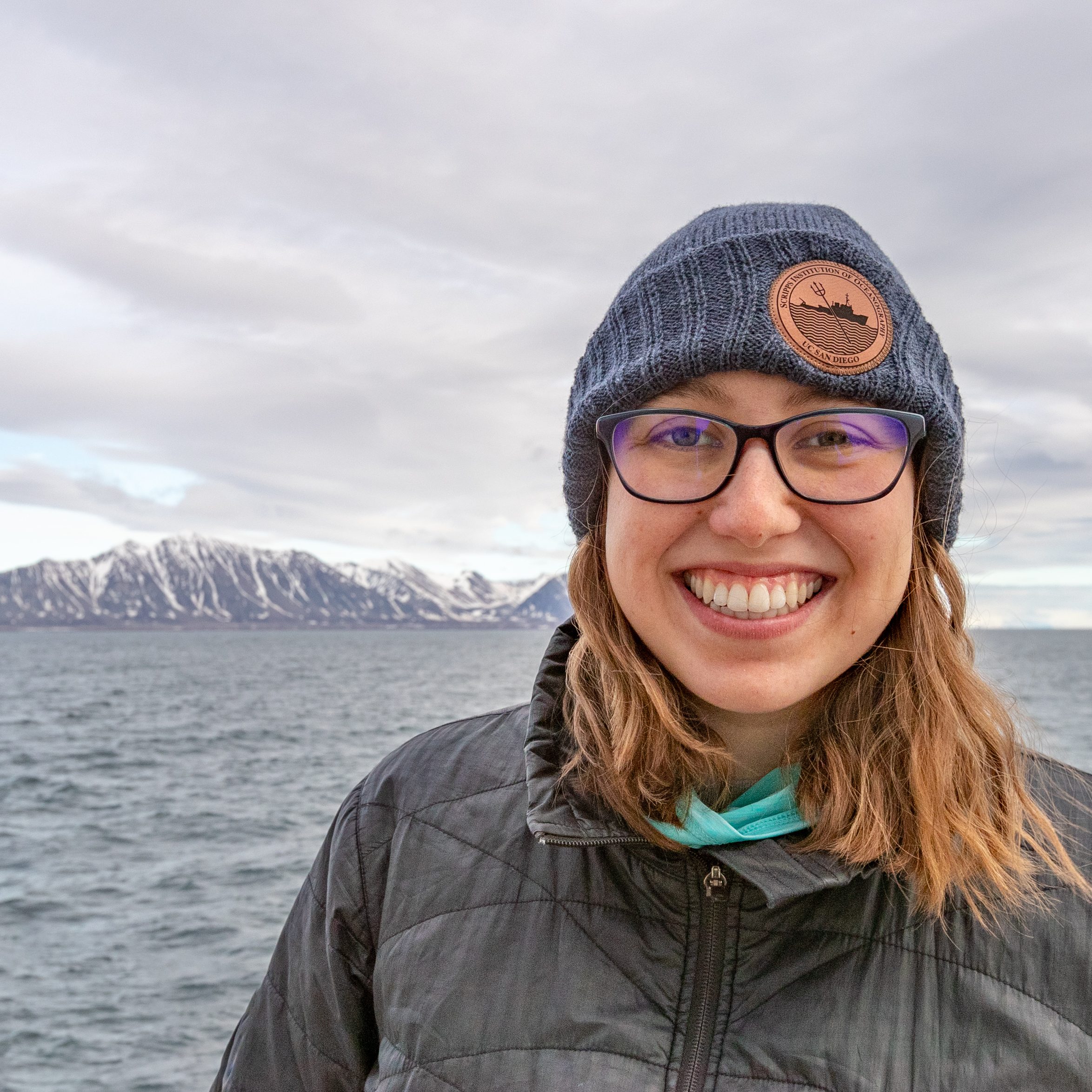
Hello! My name’s Emelia and I’m a polar microbial ecologist.
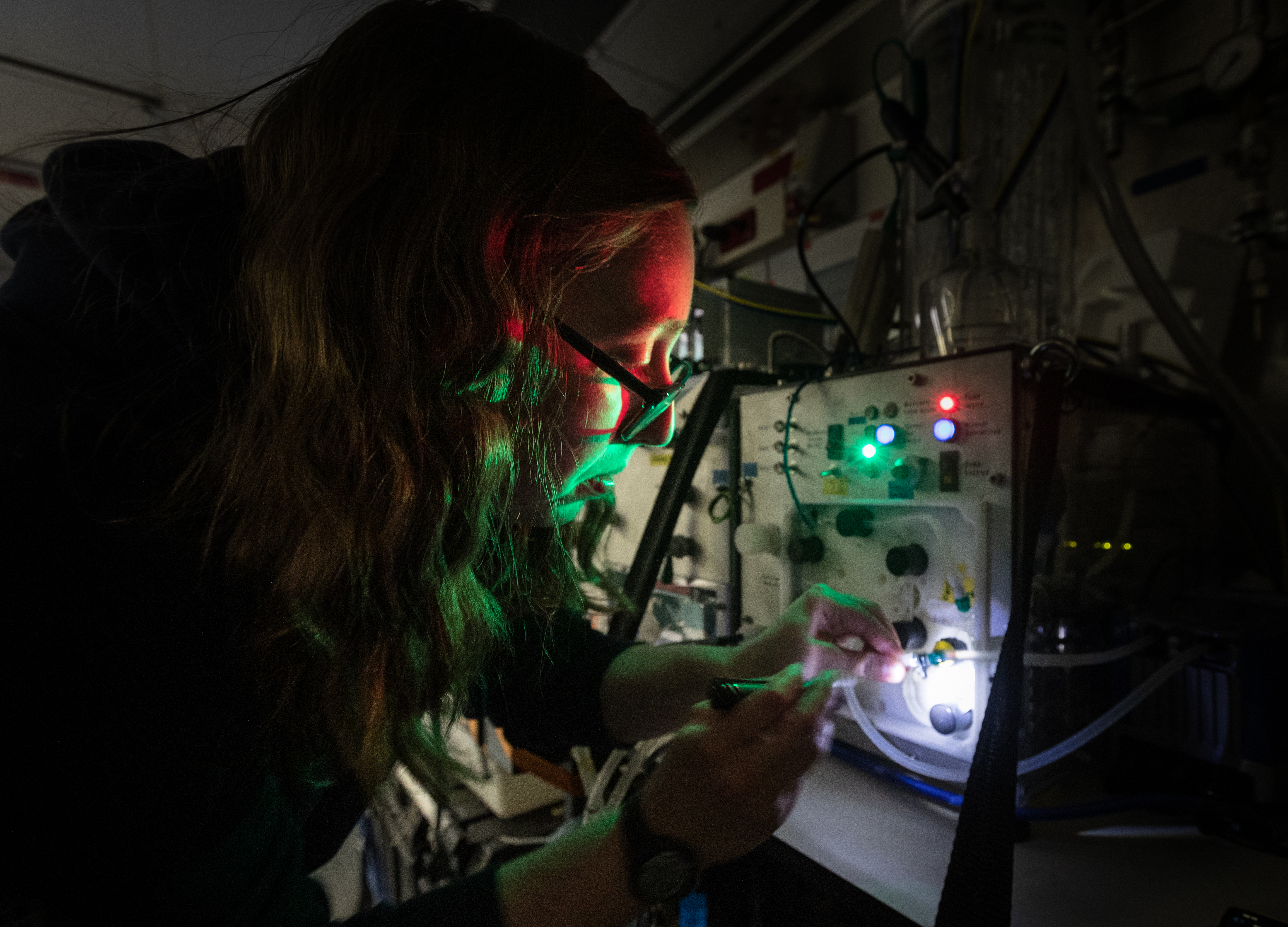
As a research scientist and educator, I am interested in the microscopic life that thrives at the remote extremes of our planet – particularly the polar oceans. Using a combination of field observations and computational modeling approaches, my research focuses on the interconnections between microbial diversity and ecosystem function in icy regions experiencing environmental change.
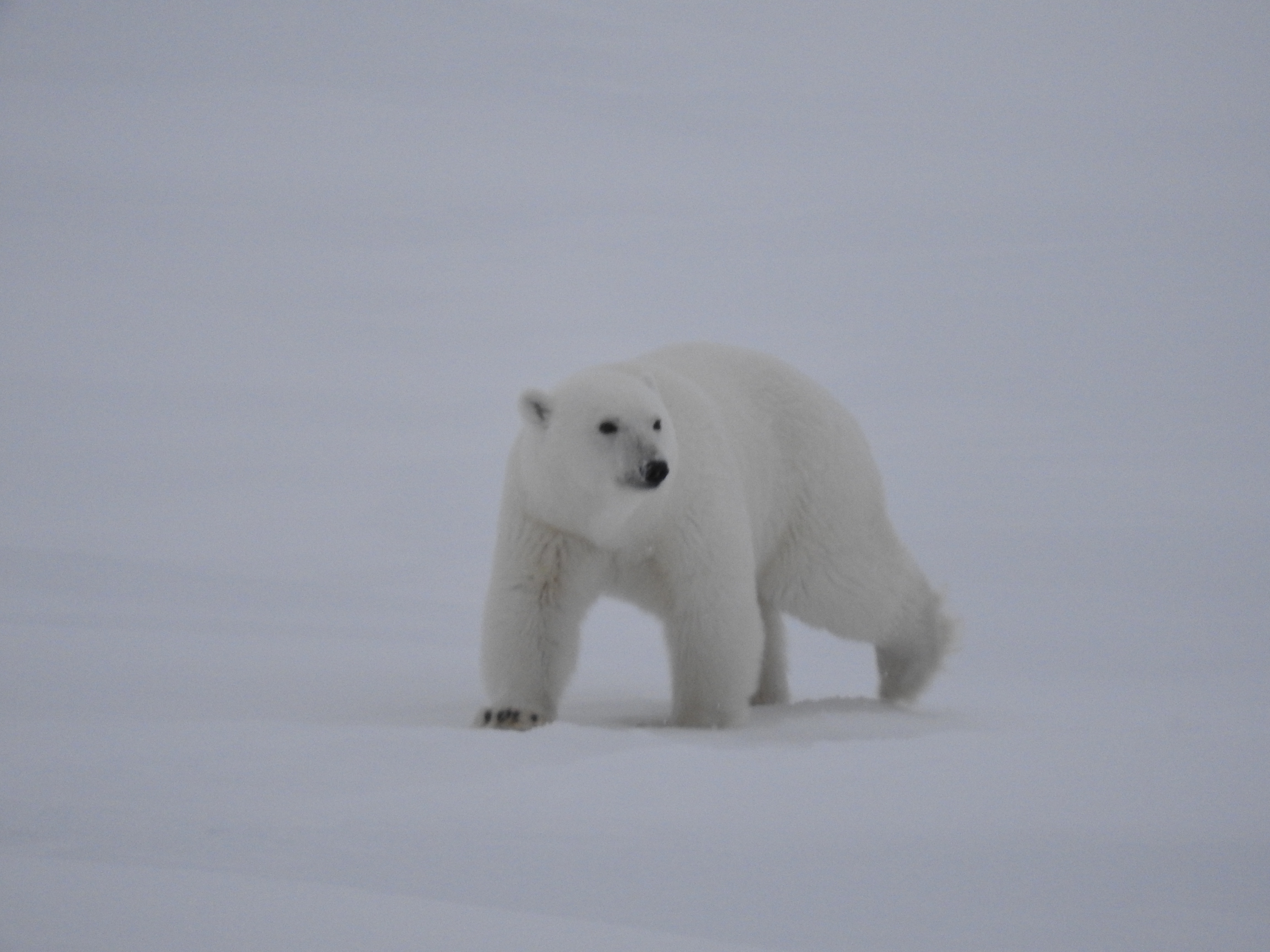
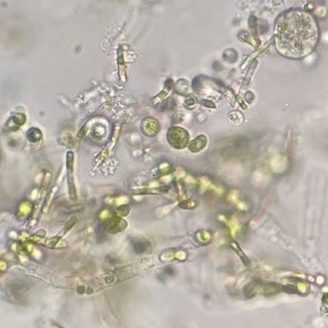
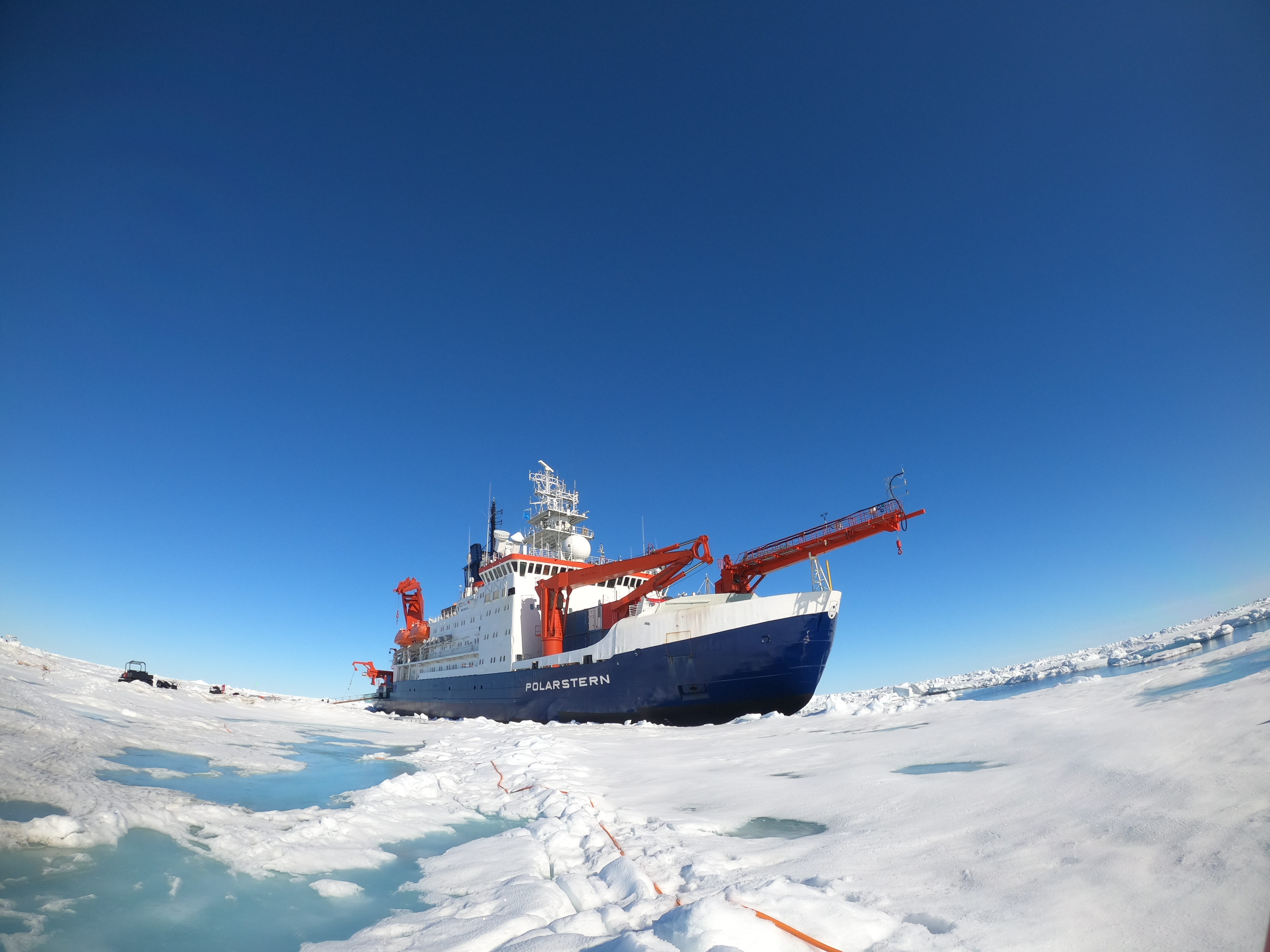
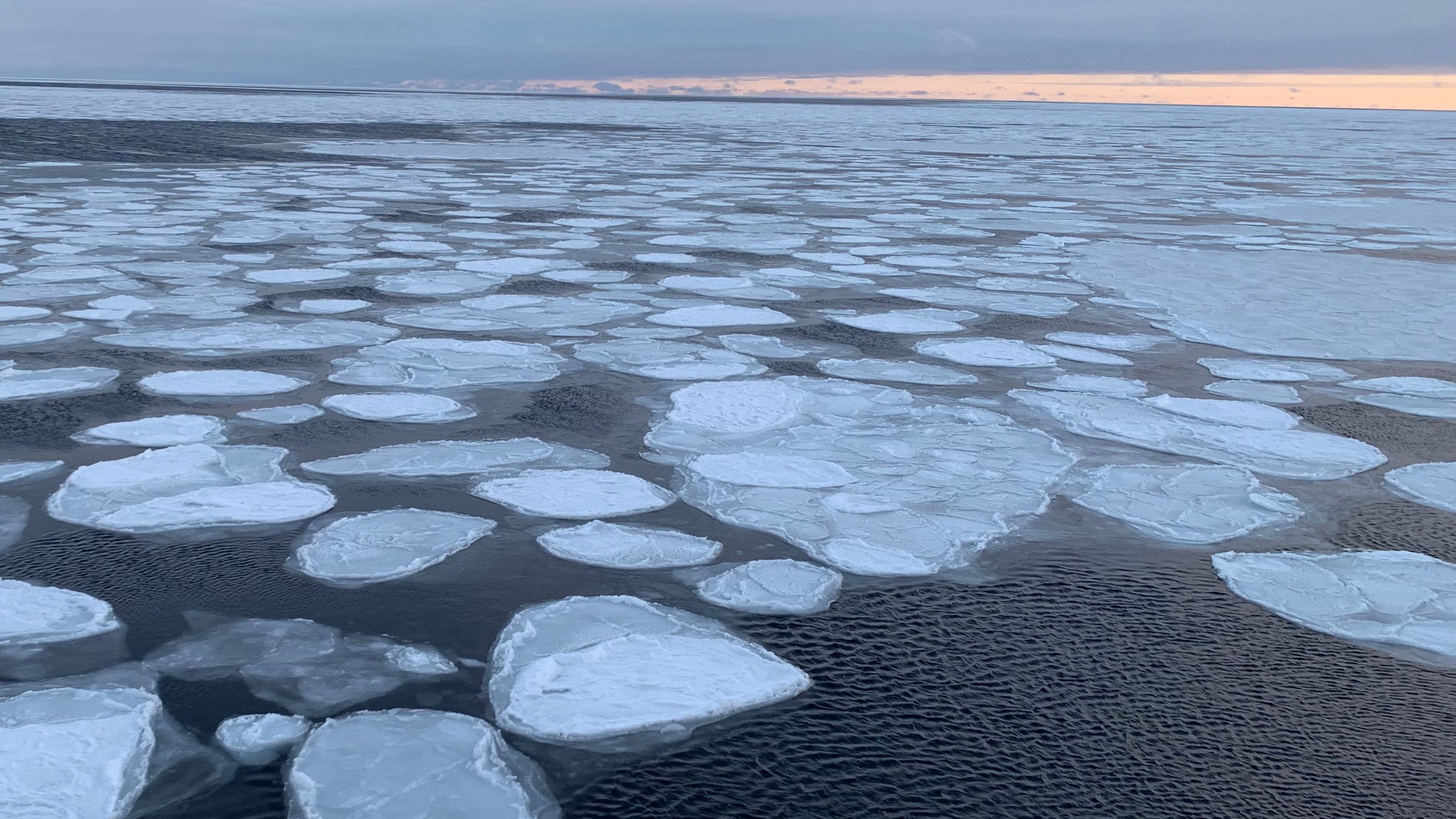
The big picture: Small but mighty, microscopic single-celled organisms like bacteria and phytoplankton can drive macroscopic environmental change by impacting the flow of elements, such as oxygen or carbon, through an ecosystem. Generally, microbes are highly abundant in seawater and the polar oceans are no exception. As these regions change rapidly due to warming and sea ice loss, it is increasingly important to understand the role these tiny organisms play in their environment, from the local food web to the carbon cycle and global change.
“The world of organisms I above alluded to was the subject of special research through the short summer, and in many respects was quite remarkable. When the sun’s rays had gained power on the surface of the ice and melted the snow, so that pools were formed, there was soon to be seen at the bottom of these pools small yellowish-brown spots… Day by day they increased in size, and absorbing, like all dark substances, the heat of the sun’s rays, they gradually melted the underlying ice and formed round cavities… These brown spots were… algae and diatoms… But there were not plants only, the water also teemed with swarms of animalcules, mostly infusoria and flagellate, which subsisted on the plants. I actually found bacteria – even these regions are not free from them!” – Dr. Fridtjof Nansen, observing Arctic sea ice in Farthest North: Being the record of a voyage of exploration of the ship ‘Fram’ 1893-1896 Vol I
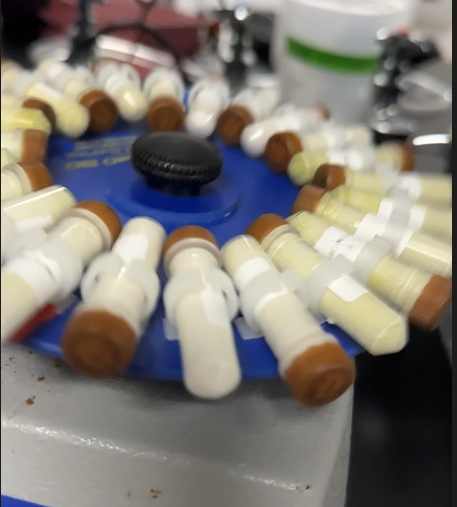
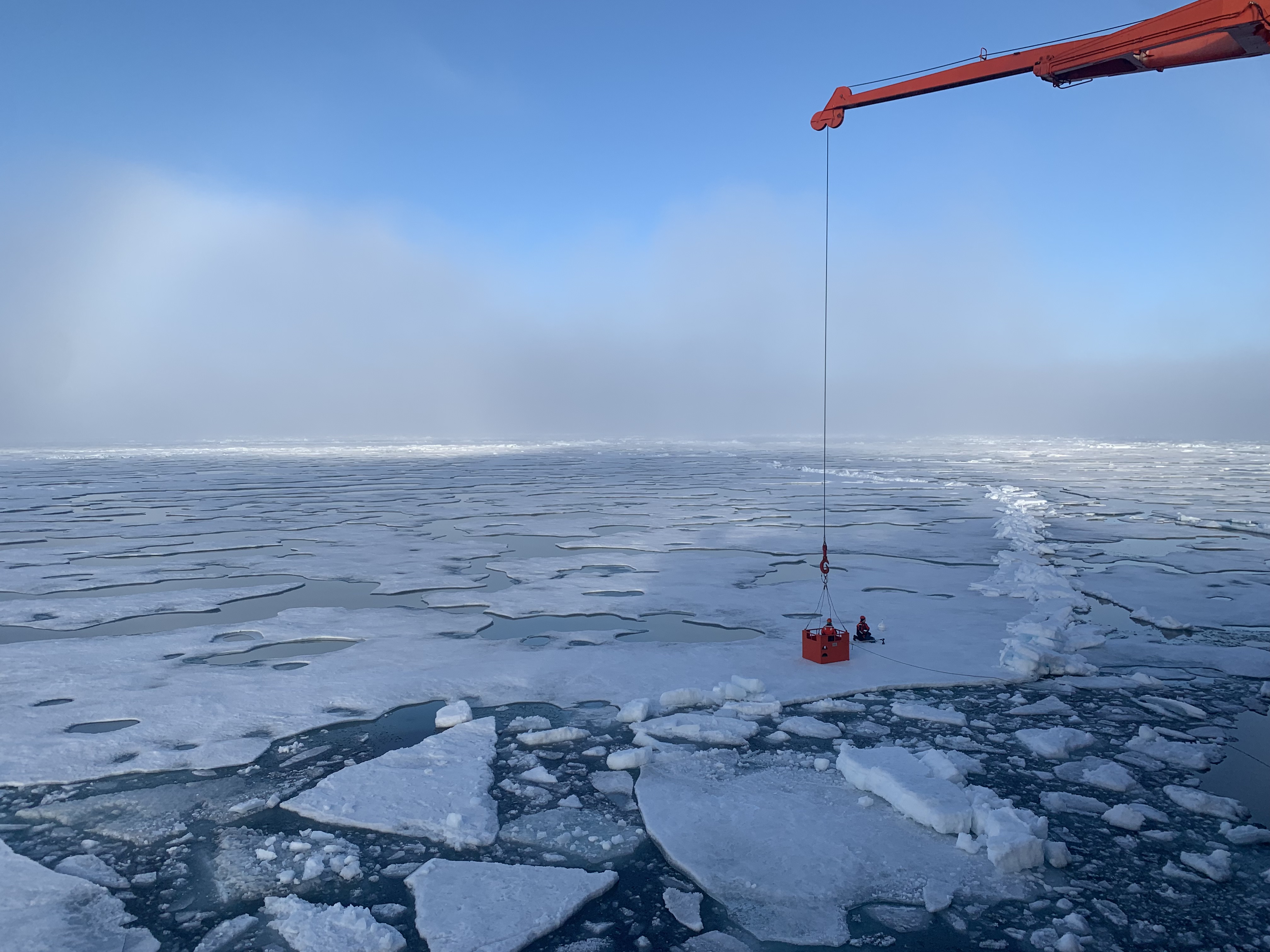
About me
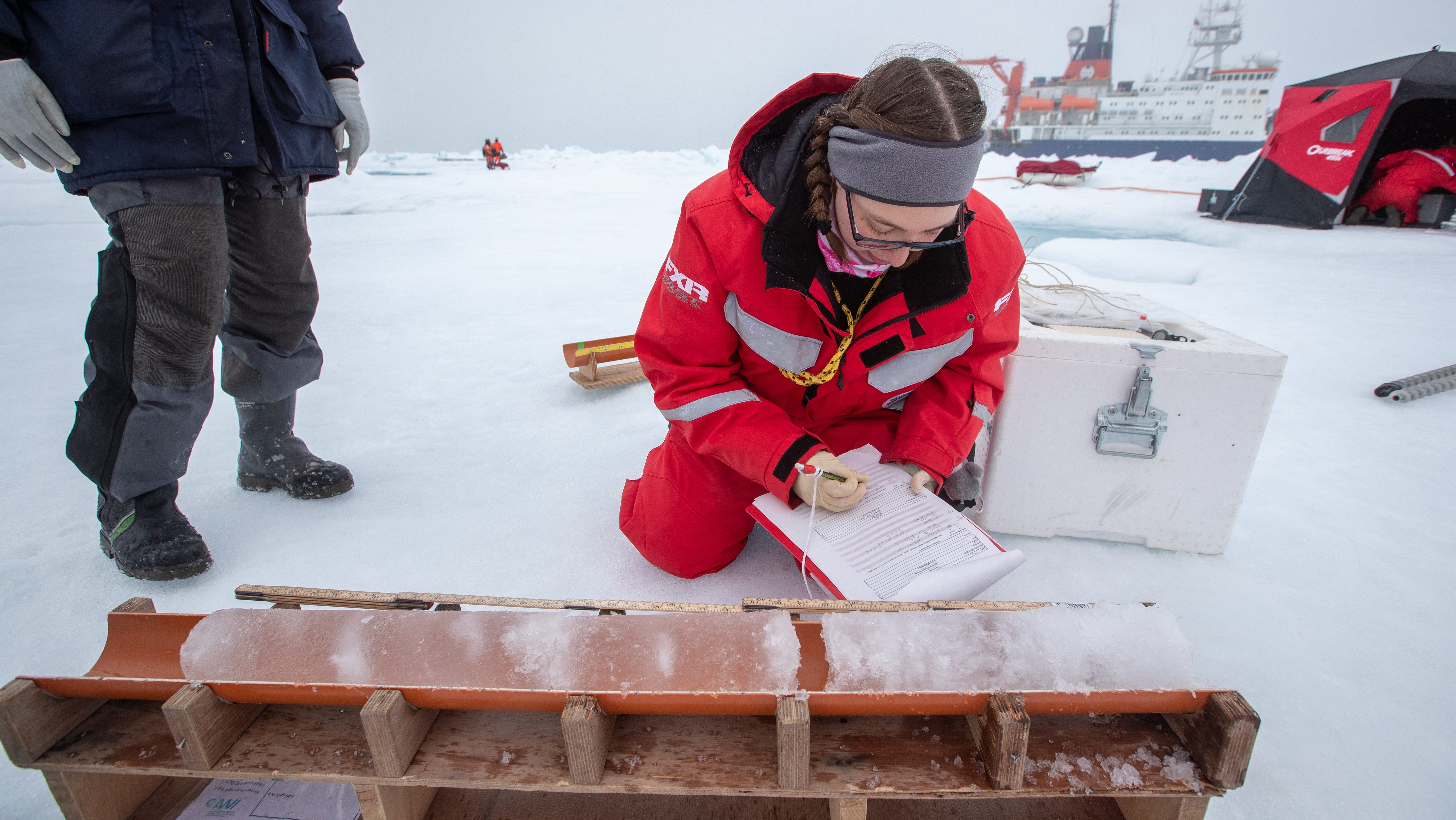
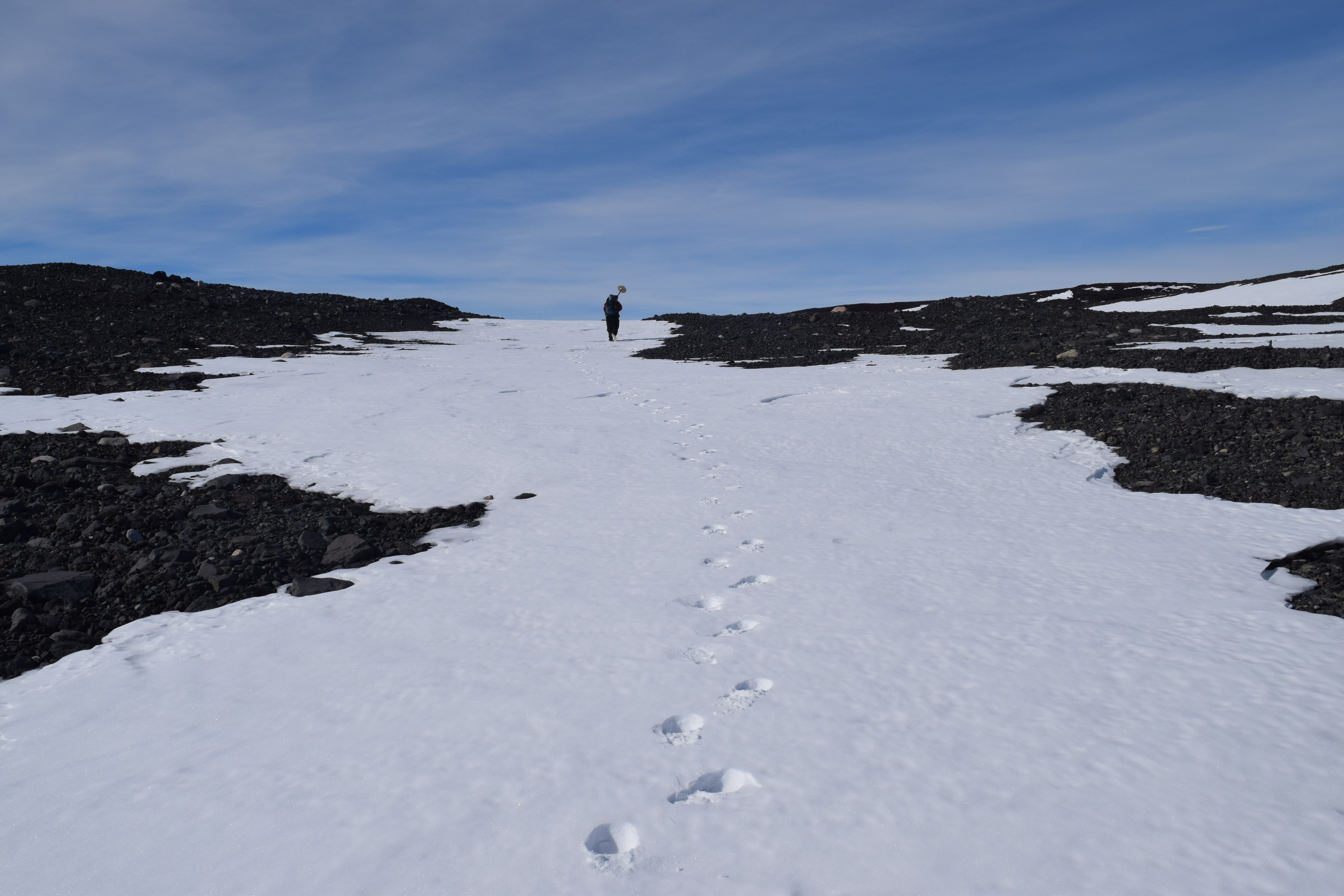
I first became interested in nutrient cycling and polar science while pursuing my BA in Environmental Science and Marine Science at Boston University, where I conducted geologic, biogeochemical, and ecological fieldwork from the coastal marshes of Massachusetts to McMurdo Sound, Antarctica.
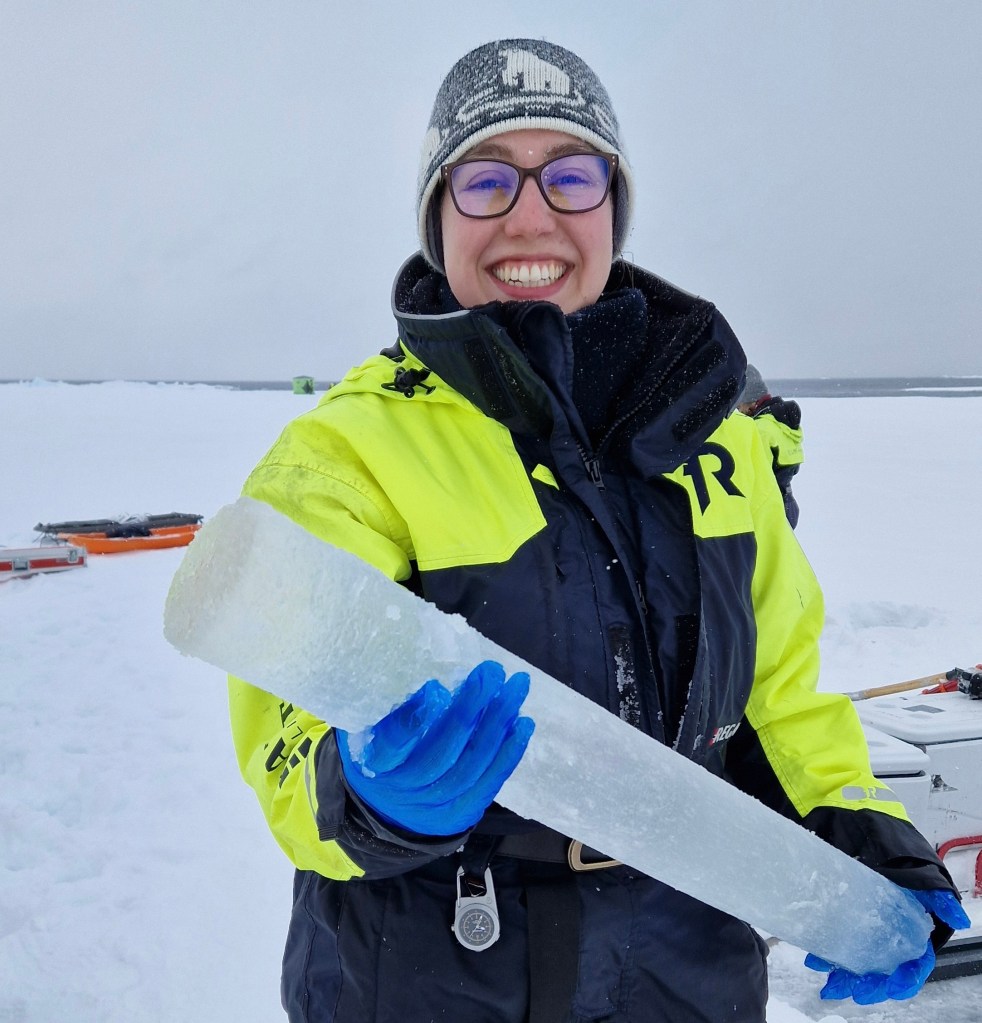
Diving into the world of marine microbes, I received my PhD in Oceanography from Scripps Institution of Oceanography in 2023. My dissertation research asked how marine microbes contribute to oxygen cycling in the central Arctic Ocean. As an NSF Post-doctoral Research Fellow at Woods Hole Oceanographic Institution, I investigated novel applications of modern computational techniques in AI/Machine Learning to high density genomic datasets to improve the representation of microbial groups and functions in predictive biogeochemical models. Broadly, I strive to unravel the processes and mechanisms driving polar marine microbial community composition and functions across changing environmental gradients.
Currently, I am a Post-doctoral Research Fellow in the iSI-Bio Laboratory at UiT The Arctic University of Norway, working on the sea-ice focused Micro-SHIFT Project. Check out the Current Research tab to learn more!
Thank you for taking the time to learn a little about my work. Please feel free to reach out, I’m always excited to connect and build collaborations :)

